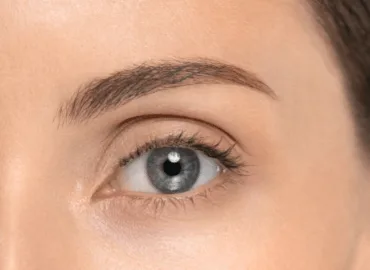
The eye area is one of the most prominent areas of the face, which is why eyelid surgery may be the best alternative to get rid of localized fat bags. The goal of this procedure is to further enhance your natural features.
Keep reading to discover the best treatments that may be recommended for your case.
What are fat bags?
First, let’s understand what fat bags are.
Bags around the eyes are a direct consequence of fluid or fat accumulation, which can occur over the years. There are many causes: from genetic factors to habits that lead to fluid retention, such as excessive salt intake, poor sleep and alcoholic beverages, or even the “yo-yo effect,” when the patient gains and loses a significant amount of weight in a short time.
In any of these scenarios, facial plastic surgery may be recommended, as it is the most efficient solution, with the longest-lasting results.
A great example is blepharoplasty, which is plastic surgery of the eyelids and aims to correct excess skin and bags around the eyes.
To achieve results close to what you want, Dr. Rogério Leal may recommend a combination of procedures, such as canthopexy, a brow lift or fractional CO² laser, for example.
I’m 40 and have fat bags: which treatments are ideal for me?
Over the years, it is common for the skin to gradually lose collagen and elasticity, making fat bags even more noticeable. In these cases, other techniques are recommended to resolve the condition.
The main options are fractional CO2 laser or chemical peels, which are performed by applying acids to the outermost layers of the skin. Among peels, the best options are TCA (trichloroacetic acid) and carbolic acid, also known as PHENOL. In addition to speeding up the skin renewal process, a phenol chemical peel also stimulates the production of collagen and elastin, making the skin firmer and dark circles less noticeable, especially when these procedures are combined with surgery.
Interested? Contact Dr. Rogério Leal and book your consultation now.
This content is for informational purposes only and does not replace a consultation. Whether any procedure is indicated depends on an in-person assessment, case by case. CRM SP 90.116 | RQE 11.350.