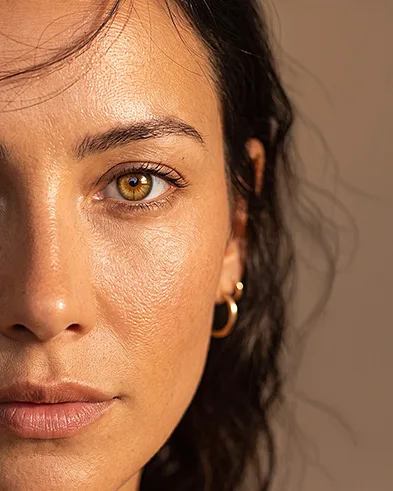
Seeking eyelid surgery, such as blepharoplasty, is a significant choice for many patients who wish to enhance their facial appearance and restore a youthful look to their eyes. However, among the main questions raised by men and women weighing the possibility of undergoing the procedure is this one: how long do the results last?
On average, the benefits of a blepharoplasty can be maintained for a period ranging from eight to ten years. Even so, it is important to remember that the durability of this result can be influenced by several individual factors.
Want an example?
Performing blepharoplasty together with a brow lift – the choice made by most of our patients – helps prolong the results of the surgery.
Another relevant aspect to consider is the natural aging of the skin and muscle around the eyes. Over time, sagging and loss of elasticity may gradually return, affecting the appearance of the eyelids. However, many patients adopt maintenance practices that can extend the longevity of the results.
Today, advances in aesthetic medicine make it possible to perform non-invasive procedures that help combat the signs of aging. These include chemical peels and the use of lasers such as Thulium, Fractional CO² and Erbium. These treatments are designed to soften the signs of sagging and wrinkles over time, allowing patients to maintain a rejuvenated appearance.
But note: the choice of maintenance procedures and the frequency of sessions may vary according to each patient's individual needs and goals.
In short, eyelid surgery, such as blepharoplasty, offers notable results that can last for many years. With the addition of maintenance practices and aesthetic treatments, it is possible to extend the youthful, refreshed look of the eyes even further. Nevertheless, consulting an experienced surgeon is the key to determining the best path forward.
Want to know more? Get in touch with our team and book your assessment.
This content is for informational purposes only and does not replace a consultation. Whether any procedure is indicated depends on an in-person assessment, case by case. CRM SP 90.116 | RQE 11.350.